

Turkmenistan Weather, climate and geography
Weather & climate
Turkmenistan has a sharply continental climate, with hot summers, cold winters, and low overall rainfall. Conditions can vary significantly between seasons and between desert, coastal, and mountainous areas, so timing a visit makes a noticeable difference to comfort.
Spring runs from March to May and is one of the best times to visit. Temperatures rise steadily from around 15–20°C (59–68°F) in March to 25–30°C (77–86°F) by May. Landscapes are at their greenest, particularly in foothill regions, and conditions are generally pleasant for sightseeing.
Summer lasts from June to September and is extremely hot, especially in desert regions and cities. Daytime temperatures commonly exceed 40°C (104°F) in July and August, with little cloud cover and intense sun. Coastal areas along the Caspian Sea may feel slightly cooler but can be humid.
Autumn, from October to November, brings a return to milder conditions. Temperatures typically range from 20–30°C (68–86°F) in October, cooling further in November. This is another favourable period for travel, with clear skies and fewer extremes.
Winter spans from December to February and can be cold, particularly at night. Daytime temperatures often sit between 0–10°C (32–50°F), with occasional snowfall in northern regions and the Kopet Dag mountains. While generally dry, winters can feel harsh due to wind and temperature swings.
Clothing choices should reflect both climate extremes and conservative local norms. Lightweight, breathable fabrics are essential during spring and summer, while still providing coverage from the sun. Loose-fitting trousers and long-sleeved tops are practical and culturally appropriate.
During summer, sun protection is important. A wide-brimmed hat, sunglasses, and sunscreen are strongly advised, along with comfortable footwear suitable for hot pavement and desert terrain.
For autumn and spring, light layers are ideal, as temperatures can vary between day and night. Evenings may feel cool, particularly outside urban areas.
In winter, warm clothing is necessary, including a jacket or coat, especially for evenings and for travel outside the capital. If visiting mountainous or northern regions, additional layers may be required.
Rainfall is generally low, but short rain showers can occur in spring and winter. A light waterproof jacket or compact umbrella is usually sufficient rather than heavy rain gear.
Geography
Turkmenistan lies in Central Asia and is defined by vast open spaces and dramatic contrasts in terrain. Long distances, sparse settlement, and a strong sense of scale shape travel across the country, giving visitors a clear impression of its remoteness and geographical extremes.
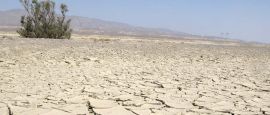
The Karakum Desert dominates the landscape, covering around 70% of the country. This arid region consists of sand dunes, gravel plains, and scrubland, punctuated by oases and river valleys where towns and agriculture are concentrated. Travelling through the Karakum is a defining experience, with scenery that changes subtly with light and season.
Along the southern edge of the country, the Kopet Dag mountain range forms a natural border with Iran. These mountains bring cooler temperatures and more varied landscapes, particularly in areas near the capital. Turkmenistan’s highest point, Mount Ayrybaba, reaches approximately 3,139 metres (10,299 feet) in the far southeast, close to the border with Afghanistan.
At the other extreme, the Akdzhakaya Depression in the northwest lies about 81 metres (266 feet) below sea level, making it the country’s lowest point. To the west, Turkmenistan has a coastline along the Caspian Sea, where desert terrain gives way to coastal plains, salt flats, and lagoons.
Turkmenistan shares land borders with Kazakhstan to the north, Uzbekistan to the north and east, Afghanistan to the southeast, and Iran to the south, while the Caspian Sea forms its western boundary. For visitors, this geography translates into a country shaped by desert, mountains, and sea, with striking natural variation despite its predominantly arid character.
Do you have any Feedback about this page?
© 2026 Columbus Travel Media Ltd. All rights reserved. No part of this site may be reproduced without our written permission, click here for information on Columbus Content Solutions.



 You know where