
Book and Go

Latest features



Turkmenistan Health Care and Vaccinations
| Title | Special precautions |
|---|---|
| Diphtheria |
Sometimes |
| Hepatitis A |
Yes |
| Malaria |
No |
| Rabies |
Sometimes |
| Tetanus |
Sometimes |
| Typhoid |
Yes |
| Yellow Fever |
No |
Hospitals and clinics in Ashgabat are generally better equipped than those in regional towns, though some services can be basic and specialised treatment may be unavailable.
Pharmacies are common in cities and towns and stock a range of basic medications. Brand-name medicines may not be available, and packaging or instructions are often in Russian or Turkmen.
Prescriptions from abroad are not always recognised, and it can be difficult to obtain equivalent medication locally. Travellers should carry prescriptions in their original packaging along with a doctor's note, ideally stating the generic name of the medicine. Certain medications may be restricted, so it is advisable to check regulations before travel.
Medical staff may have limited English-language ability, particularly outside major hospitals. Private clinics are limited, and payment for treatment is often required upfront, usually in cash.
Given these limitations, comprehensive travel insurance that includes medical evacuation is strongly recommended. In serious cases, evacuation to another country may be necessary for appropriate treatment.
Tap water in Turkmenistan is generally not considered safe for visitors to drink. Even in major cities such as Ashgabat, travellers are advised to avoid drinking tap water and to use bottled water instead, including for brushing teeth. Bottled water is widely available in shops, hotels, and restaurants and is the safest option throughout the country.
When it comes to food and dairy products, visitors should exercise sensible precautions. Milk is often unpasteurised outside large hotels, so visitors with sensitive stomachs are advised to consume dairy products only in reputable restaurants or hotels, where food safety standards are more likely to be consistent.
Freshly cooked food served hot is generally safer than food that has been sitting out, and fruit should be washed with bottled water or peeled before eating. Visitors should be cautious with street food and avoid raw or undercooked meat, especially during the hotter months.
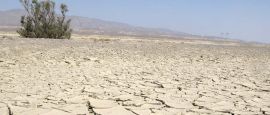
Extreme heat poses a real risk, especially during summer months when temperatures can exceed 40°C (104°F). Dehydration and heat exhaustion are common hazards, particularly when travelling in desert areas. Carrying sufficient water, wearing sun protection, and avoiding prolonged outdoor activity during the hottest part of the day are important precautions.
Do you have any Feedback about this page?
© 2026 Columbus Travel Media Ltd. All rights reserved. No part of this site may be reproduced without our written permission, click here for information on Columbus Content Solutions.



 You know where