

Zimbabwe Weather, climate and geography
Weather & climate
Zimbabwe has a generally mild to warm climate, influenced by its high plateau elevation. The year is divided into a dry season and a rainy season, with temperatures varying more by season than by region. Overall, Zimbabwe enjoys plenty of sunshine and relatively comfortable travel conditions throughout the year.
Spring runs roughly from September to November and is the hottest time of year. Temperatures during this period typically range from 25°C to 35°C (77°F to 95°F), occasionally higher in low-lying areas such as the Zambezi Valley. This season is dry and increasingly warm, particularly in October, and is a good time for travel before the onset of the rains.
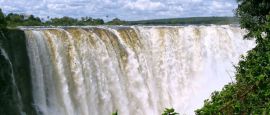
The rainy season usually lasts from November to March. Rain often falls in short, heavy afternoon storms rather than all-day rainfall. Temperatures during this period generally range from 20°C to 30°C (68°F to 86°F), and the countryside becomes lush and green. From February to May, following the peak rains, Victoria Falls is at its most dramatic, with the greatest volume of water and impressive spray, making this the best time to experience the falls at full power.
The dry winter season, from May to August, is considered the most comfortable time to visit. Days are sunny and mild, with temperatures typically between 18°C and 25°C (64°F to 77°F), while nights and early mornings can be cool, especially at higher altitudes. This period, extending into September and October, is the best time for safari viewing, as vegetation is sparse and wildlife congregates around rivers and waterholes, making animals easier to spot. Later in the dry season, from August to November, lower water levels at Victoria Falls allow clearer views of the rock formations and provide ideal conditions for activities such as white-water rafting.
Lightweight, breathable clothing is suitable for most of the year, particularly during the warmer months. Natural fabrics such as cotton and linen are comfortable in Zimbabwe's climate. For the cooler winter months, especially from May to August, visitors should bring warmer layers for evenings and early mornings.
During the rainy season from November to March, rain protection such as a light waterproof jacket, poncho or compact umbrella is recommended, as showers can be sudden and heavy. Comfortable walking shoes are useful year-round, particularly for wildlife viewing, sightseeing and uneven terrain. Neutral-coloured clothing is often preferred for safaris, while modest dress is advisable in towns, rural areas and at religious or cultural sites.
Geography
Zimbabwe is a landlocked country in southern Africa, bordered by South Africa to the south, Botswana to the west, Zambia to the north and Mozambique to the east. Its central location makes it a natural crossroads between southern and eastern Africa, and many major rivers and transport routes pass through or near the country.
Much of Zimbabwe lies on a high plateau, which gives it a more moderate climate than many neighbouring countries. The terrain includes savannah grasslands, wooded hills and fertile river valleys. The eastern part of the country rises into the Eastern Highlands, a cooler and greener region of mountains and rolling hills along the border with Mozambique.
Zimbabwe's highest point is Mount Nyangani in the Eastern Highlands, reaching 2,592 metres above sea level. The lowest point lies along the Zambezi River at around 325 metres above sea level. Major rivers include the Zambezi in the north and the Limpopo in the south, while Lake Kariba, one of the world's largest man-made lakes, dominates the north-western landscape and supports wildlife, fishing and tourism.
Do you have any Feedback about this page?
© 2026 Columbus Travel Media Ltd. All rights reserved. No part of this site may be reproduced without our written permission, click here for information on Columbus Content Solutions.



 You know where