

Laos Weather, climate and geography
Weather & climate
Laos has a tropical monsoon climate with two main seasons — the dry season from November to April and the wet season from May to October. The best time to visit is during the dry months, when temperatures range from 20°C to 30°C (68°F to 86°F) and the air is clear. The months of December and January are particularly pleasant, with cooler evenings, especially in the northern highlands around Luang Prabang and Phonsavan.
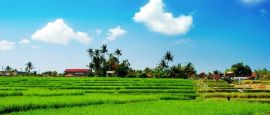
During the wet season, heavy afternoon showers are common, particularly from July to September, but the countryside becomes lush and green. Temperatures can reach up to 35°C (95°F) in April, just before the rains arrive. In the mountainous north and on the Bolaven Plateau, temperatures are lower year-round, and warm clothing may be needed at night.
Lightweight, breathable clothing is suitable for most of the year in Laos. Cotton and linen garments are ideal for the heat, while a light jumper or jacket is useful for cool evenings, particularly in the northern and highland regions. Modesty is appreciated — both men and women should cover their shoulders and knees when visiting temples or rural communities. A scarf or shawl is useful for temple visits or sun protection.
During the rainy season, a lightweight waterproof jacket or poncho and quick-drying shoes are recommended. For trekking or rural travel, sturdy footwear and insect repellent are essential. In general, dressing neatly and conservatively shows respect for local customs and ensures a more comfortable experience in this warm and welcoming country.
Geography
Laos is a landlocked country in the heart of mainland Southeast Asia, bordered by China to the north, Vietnam to the east, Cambodia to the south, Thailand to the west, and Myanmar to the northwest. Covering an area of about 236,800 square kilometres, it is the only nation in the region without a coastline, yet what it lacks in beaches, it more than makes up for in rivers, mountains, and natural beauty. Around 70% of Laos is mountainous, giving rise to dramatic terrain that includes limestone karsts, deep valleys and dense tropical forests.
The Mekong River, the lifeline of the country, flows for more than 1,800 kilometres along much of its western border. It sustains agriculture, transportation, and daily life for millions of people, while also forming a natural boundary with Thailand. Numerous tributaries, including the Nam Ou, Nam Khan and Xe Don rivers, feed into the Mekong, carving fertile plains where rice and vegetables flourish. The rhythm of the river defines the Lao way of life — from the morning fishing boats to the golden sunsets that end the day.
Laos can be divided into three main geographic regions. The north is dominated by rugged mountains and cool highlands, where misty peaks rise above ethnic minority villages. Luang Prabang and the Plain of Jars lie in this region, offering some of the country’s most striking scenery and cultural depth. The central region, where Vientiane sits on the Mekong plain, features rolling hills and fertile valleys that support much of the country’s agriculture. The south, around Pakse and the Bolaven Plateau, is a land of waterfalls, volcanic soil, and coffee plantations, while the 4,000 Islands region marks the point where the Mekong fans out before reaching Cambodia.
Laos' tropical monsoon climate brings distinct wet and dry seasons. The dry season, from November to April, is the most comfortable for travel, with cooler temperatures and clear skies. The wet season, from May to October, sees heavy rainfall that transforms the countryside into lush greenery, though landslides and flooded roads can make travel more challenging. Wildlife flourishes in the country's extensive forest reserves, which are home to elephants, gibbons, sun bears, and hundreds of bird species. For visitors, Laos offers not just beautiful landscapes, but also a deep connection between nature and culture that defines the nation’s enduring tranquillity.
Do you have any Feedback about this page?
© 2026 Columbus Travel Media Ltd. All rights reserved. No part of this site may be reproduced without our written permission, click here for information on Columbus Content Solutions.



 You know where