
Kosovo History, Language and Culture
History of Kosovo
The territory of modern Kosovo has been inhabited since prehistoric times and formed part of several important ancient civilisations long before the emergence of modern Balkan states. During antiquity, the region was inhabited by Illyrian tribes and later became part of the Roman Empire, with important roads and settlements linking the Adriatic coast with the interior of the Balkans. Following the division of the Roman Empire, the area came under Byzantine influence before Slavic migrations gradually transformed much of the region during the early medieval period.
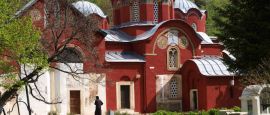
During the medieval era, Kosovo became an important political, religious and cultural centre of the Serbian medieval state. Many of the region's most significant Orthodox monasteries, including Dečani, Gračanica and the Patriarchate of Peć, were constructed during this period and remain among the most important medieval monuments in the Balkans today. The Battle of Kosovo in 1389, fought between Serbian-led forces and the advancing Ottoman Empire, became one of the defining events in Serbian national history and mythology, even as the region remained ethnically and culturally mixed.
By the 15th century, Kosovo had come under Ottoman rule, which lasted for more than 400 years. During this period, many towns developed their Ottoman character, particularly Prizren, Peja and Gjakova, with mosques, bazaars, hammams and caravan routes shaping urban life. Islam spread gradually during Ottoman rule, especially among Albanian communities, though Orthodox Christian traditions also remained deeply rooted in the region.
In the late 19th and early 20th centuries, Kosovo became increasingly affected by rising nationalism and the decline of the Ottoman Empire. Following the Balkan Wars of 1912–13, Kosovo was incorporated into Serbia and later became part of Yugoslavia. Tensions between ethnic Albanians and Serbian authorities persisted throughout much of the 20th century, particularly during the Yugoslav period, despite periods of relative coexistence.
The breakup of Yugoslavia during the 1990s brought growing instability to Kosovo. Rising tensions between Serbian authorities and the ethnic Albanian majority eventually escalated into the Kosovo War of 1998–99. The conflict ended following NATO intervention and the withdrawal of Serbian forces, after which Kosovo was placed under United Nations administration.
In 2008, Kosovo declared independence from Serbia. It has since been recognised as an independent state by many countries, including the United States, the United Kingdom and much of the European Union, though Serbia and several other countries do not recognise its independence. Modern Kosovo continues to develop its institutions, economy and international relationships while balancing the legacies of its complex history and recent conflicts.
Did You Know?
• The Battle of Kosovo in 1389 remains one of the most important symbolic events in Serbian history and folklore.
• Kosovo has one of the youngest populations in Europe, with a particularly large proportion of people under 30.
• Prizren's Ottoman-era old town is often regarded as one of the best-preserved historic urban areas in the Balkans.
Kosovo Culture
Islam is the dominant religion in Kosovo, followed mainly by the ethnic Albanian population. Most Muslims in Kosovo are Sunni, though religious practice is often moderate and society is generally secular in daily life.
Serbian Orthodox Christianity remains an important minority religion, particularly within Kosovo's Serbian communities. The country contains several major Serbian Orthodox monasteries and churches, including Dečani, Gračanica and the Patriarchate of Peć, many of which are protected as UNESCO World Heritage Sites.
Roman Catholic communities are also present, particularly among some Albanian populations in western Kosovo. Smaller Protestant and other religious communities exist in limited numbers.
Language in Kosovo
Albanian and Serbian are the official languages of Kosovo and are used in government institutions, education and public administration. Albanian is spoken by the majority of the population, while Serbian is widely used within Kosovo's Serbian communities.
Other minority languages, including Bosnian, Turkish and Romani, also have official or recognised status in certain municipalities where these communities are present.
English is widely spoken among younger people and those working in tourism, hospitality and business, particularly in Pristina and other urban areas. German is also fairly common due to Kosovo's large diaspora communities in German-speaking countries.
Road signs and official information are usually displayed in both Albanian and Serbian, though the prominence of each language can vary by region.



 You know where