
Book and Go

Latest features



Jordan: Doing business & staying in touch
Doing business in Jordan
Business culture in Jordan is relationship-driven, and personal trust plays a central role in professional dealings. Meetings often begin with polite conversation before moving on to business matters, and taking time to build rapport is both expected and appreciated. Rushing straight into negotiations can be seen as impolite, so patience is important, especially during initial meetings.
Dress codes tend to be conservative and formal, particularly in Amman and in dealings with government bodies or established companies. Men usually wear suits, while women should opt for smart, modest business attire. Handshakes are common when greeting, though it is polite to wait for a woman to extend her hand first. Business cards are widely used and should be offered and received with the right hand.
Decision-making can be hierarchical, and final approval may rest with senior figures, which can slow processes compared with Western norms. Punctuality is valued, but meetings may not always start on time, so flexibility is useful. Hospitality is an important part of business culture, and accepting offers of coffee or tea is customary and seen as a sign of goodwill.
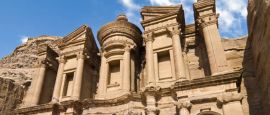
Jordan has a small but diverse economy that relies heavily on services, trade, and regional connectivity. With limited natural resources, the country has focused on developing sectors such as tourism, logistics, finance, healthcare, and education. Tourism remains a major source of income, supported by iconic sites such as Petra, Wadi Rum, the Dead Sea, and Aqaba.
The country also plays an important role as a regional hub for business, diplomacy, and humanitarian operations, benefiting from political stability relative to its neighbours. Special zones such as the Aqaba Special Economic Zone have been created to attract foreign investment through tax incentives and simplified regulations, particularly in logistics, manufacturing, and port-related industries.
Jordan faces ongoing economic challenges, including high unemployment, limited water and energy resources, and pressure from regional instability. However, it continues to invest in renewable energy, digital services, and entrepreneurship, with a growing start-up scene centred largely in Amman. For visitors, the economy translates into a well-developed service sector, widespread use of cashless payments in cities, and a strong emphasis on hospitality and customer service.
Crude oil and refined fuel, machinery and equipment, vehicles, food products, and electrical goods.
Keeping in Touch in Jordan
Mobile phone coverage in Jordan is generally good, particularly in cities, towns, and along major highways. Amman, Aqaba, Petra, the Dead Sea, and other tourist centres have reliable coverage, with 4G services widely available. Coverage can be patchy in remote desert areas, including parts of Wadi Rum and nature reserves, where signal strength may drop or disappear entirely.
Jordan has three main mobile network operators: Zain Jordan, Orange Jordan, and Umniah. All offer prepaid SIM cards suitable for visitors, with packages that include data, local calls, and sometimes international minutes. SIM cards can be purchased at Queen Alia International Airport, in Aqaba, and from mobile phone shops, shopping centres, and authorised retailers throughout the country. A passport is required for SIM card registration.
Data packages are generally affordable, and mobile internet speeds are adequate for navigation, messaging, and everyday use. Some providers also support eSIMs, though availability and compatibility vary by device and plan, so travellers may wish to check in advance. International roaming works in Jordan but can be expensive, making a local SIM or eSIM a more cost-effective option for most visitors.
Wi-Fi is widely available in hotels, cafés, and restaurants, especially in urban areas, though speeds and reliability can vary. For travellers heading into rural or desert regions, it is advisable to download offline maps and essential information in advance, as mobile coverage cannot be guaranteed everywhere.
Jordan's media landscape is relatively well developed and plays an important role in public life, with a mix of state-affiliated, private, and international outlets. Television, radio, print, and online media are all widely used, and visitors will encounter both Arabic- and English-language content, particularly in urban areas.
Television remains a major source of news and entertainment, with national channels alongside regional satellite networks such as Al Jazeera and Al Arabiya, which are commonly watched across the country. International news channels are widely available in hotels and via satellite and cable services, making it easy for visitors to follow global news while travelling.
Radio is popular for news, music, and talk shows, especially during commuting hours. English-language stations are available in Amman and other major cities, alongside Arabic stations that focus on news, popular music, and religious programming. Newspapers are published mainly in Arabic, though English-language dailies and online news platforms cater to expatriates and visitors.
Online media and social networks are widely used, and most Jordanians access news through websites and mobile apps. Internet access is generally reliable in cities, allowing visitors to stay informed through both local and international sources. While Jordan allows a relatively open media environment compared with some neighbouring countries, journalists and outlets operate within legal and regulatory limits, and visitors are advised to be mindful when discussing sensitive political topics in public or online.



 You know where